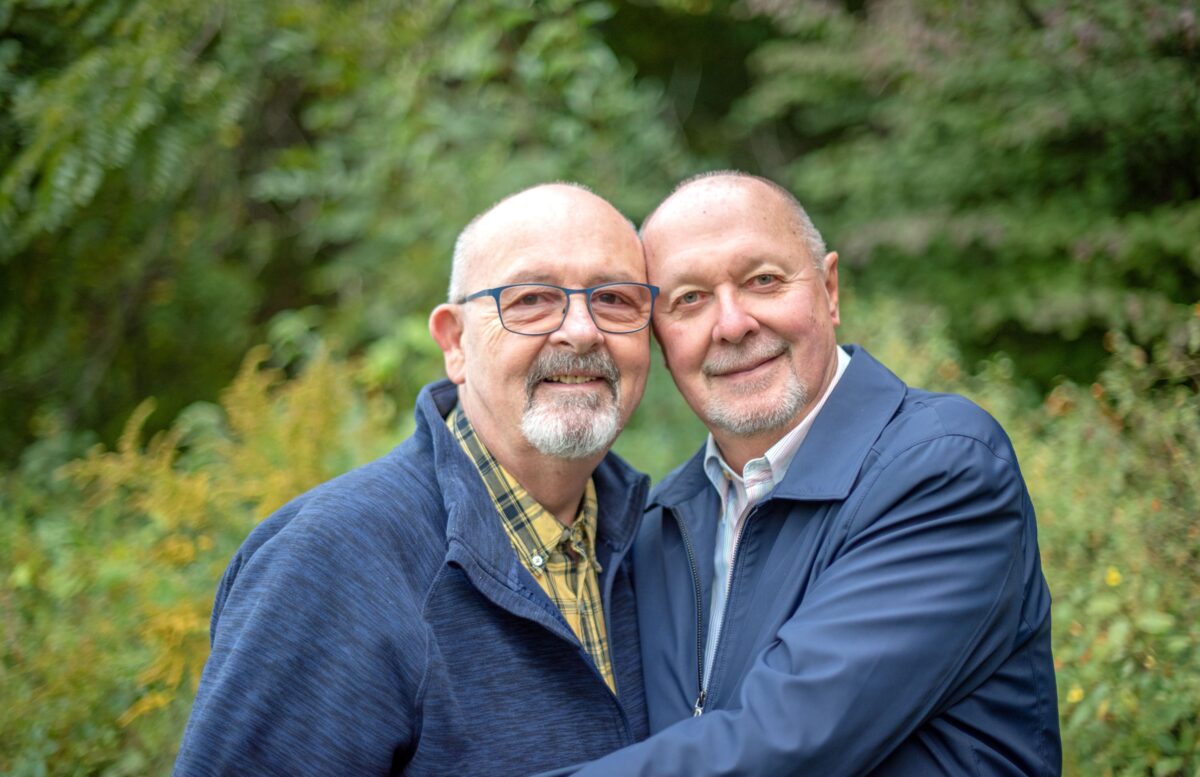
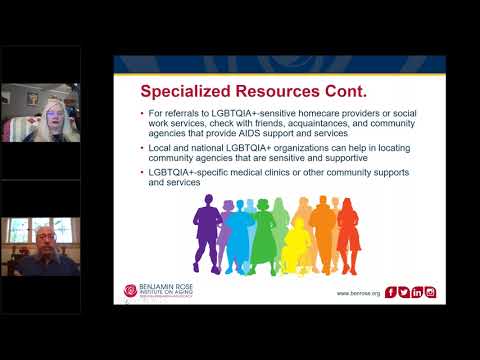
Supporting LGBTQ+ Older Adults: Tips for Caregivers As our population ages and society continually evolves, awareness of the diverse needs of different communities of older adults has increased. LGBTQ+ rights have undergone some major changes over the past few decades, and while there have been great triumphs, there have been many challenges as well, including some that are particular to older individuals. Caregivers must be aware of these specific challenges and provide holistic, inclusive support to ensure the well-being of their LGBTQ+ older loved ones. Here are key considerations and strategies for caregivers dedicated to supporting LGBTQ+ older adults. Read more
Why Health Literacy Matters for Older Adults Health literacy—the ability to access, understand and use health information—is a key part of living a healthy and fulfilling life, especially for older adults. After all, the more we understand about health, the more likely we are to recognize risk signs, take preventative measures against common diseases, make informed decisions about our own health and communicate more effectively with healthcare professionals. Read more
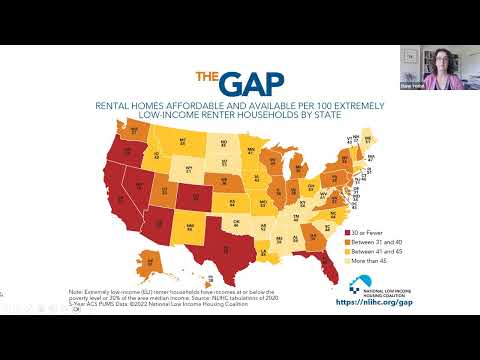
17th Annual Katz Policy Lecture: Safe, Affordable and Accessible Housing for Older Adults This year, the 17th annual Katz Policy Lecture examines safe, affordable, and sustainable housing for older adults. Our keynote speaker, Diane Yentel, President and CEO of the National Low Income Housing Coalition, discusses new directions in national and state housing policies related to older adults and their family and friend caregivers. Following the keynote address, a reactor panel of industry experts offer their responses to the presentation and discuss how housing issues impact individuals and the communities they are a part of. Read more
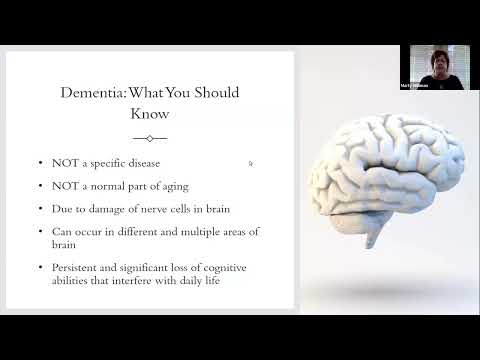
Bridging the Health Literacy Gap in Dementia Care: A Culturally Inclusive Approach Literacy skills are the largest predictor of health status, more than age, income, employment status, education level or racial/ethnic group. Improving and maximizing health status is important for all populations, but it is even more vital for individuals who live with compromising conditions such as dementia. Join Benjamin Rose Institute on Aging, Ohio Council for Cognitive Health and Asian Services in Action (ASIA) for an informative webinar for family and friend caregivers or supporters of persons with dementia as we explore the role of personal and organizational health literacy while learning culturally inclusive approaches to improving dementia care. Read more
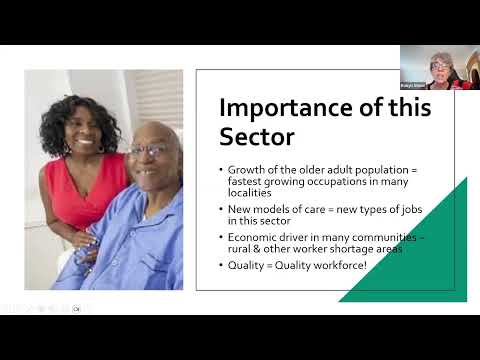
The Policy of Developing a Quality Workforce in Long Term Care Learn as we discuss the intersection of policy, staffing, and workforce issues in long term care. Presented in partnership with the Elder Justice Coalition, Robyn Stone, Senior Vice President, Research and Co-Director at Leading Age, weprovide insight into current and future issues related to the needs of our aging society. Read more
16th Annual Katz Policy Lecture: Diversity in Aging This year, the 16th annual Katz Policy Lecture examines diversity in aging. Our keynote speaker, Lauren Pongan, national director for the Diverse Elders Coalition, discusses new directions in national and state policies related to older adults and their family and friend caregivers from diverse and marginalized communities. Following our keynote speaker, a reactor panel of industry experts gives their responses to the presentation and discusses their impressions of the impacts of these policies to individuals and the communities they are a part of. Read more
Challenges of Aging for the LGBTQ Community Discrimination of LGBTQ older adults and caregivers in the health care system has only recently begun to receive attention. Many health care practitioners are challenged to respond to the specialized needs and services for this community. This webinar will discuss the unique needs of the LGBTQ aging population and identify ways caregivers and professionals can better help this community. Read more
Aging Challenges for Older Adults in the LGBT+ Community Individuals in the LGBT+ community have a long history of facing discrimination in the United States, and the effects of prejudice, hostility and mental, emotional and physical harm are felt by all generations of the community, from youths to older adults. Many LGBT+ older adults age into systems that may not fully accept and support them, and may directly or indirectly stand in the way of them getting the physical and mental health assistance they need. Read more
Community Eldercare Ecology in China Informed by the social-ecological framework, this book focuses on the development of Home and Community Based Services (HCBS) in urban China. Bringing a timely discussion around HCBS development in Shanghai, it presents an interplay of formal caregiving relationships, evolving caregiving culture, and the trajectory of long-term care in China. Drawing on surveys, in-depth interviews, and government archives, this book explores the emergence of one of the most developed HCBS programs in Shanghai, its development over the past decade, its administration and services, resource allocation, staff members’ work experiences, older adults’ service experiences, as well as service evaluation and improvements. Offering fresh insight into new forms of caregiving in community settings, and shaping a new discourse on caregiving policy, this book is a key read for both students and practitioners in the fields of long-term care, gerontology, geriatrics, health care, and health policy. Read more
Shaping identity: Older adults’ perceived community volunteering experiences in Shanghai This study explores elderly volunteers’ identity during their experiences volunteering in the community in Shanghai. Purposive and snowball sampling strategies were used to recruit elderly volunteers to participate in semi-structured, in-depth interviews (N = 40). Participants developed new identities during volunteering. Through volunteering, they also continued to sustain their professional identities and Chinese Communist Party identities. Volunteering had both positive and negative implications for participants’ identities. Our findings suggest that volunteering strengthened participants’ role identity and social identity to better adapt to life after retirement. Volunteering also helped participants achieve identity continuity. This study offers nuanced sociocultural context to current elderly volunteering research and informs tailored policy and practice development in urban China. Read more