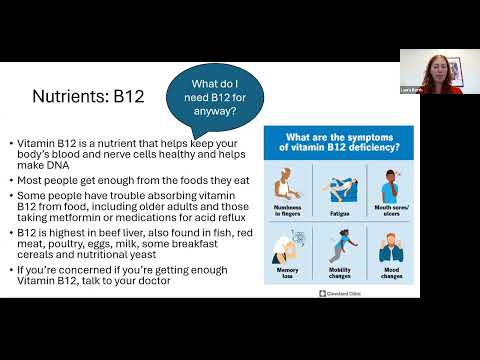
Ask the Expert – Nutrition and Caregiving Join Registered Dietitian Nutritionist Laura Borth for an interactive Ask the Expert session that covers the biggest nutrition challenges that older adults face. Read more
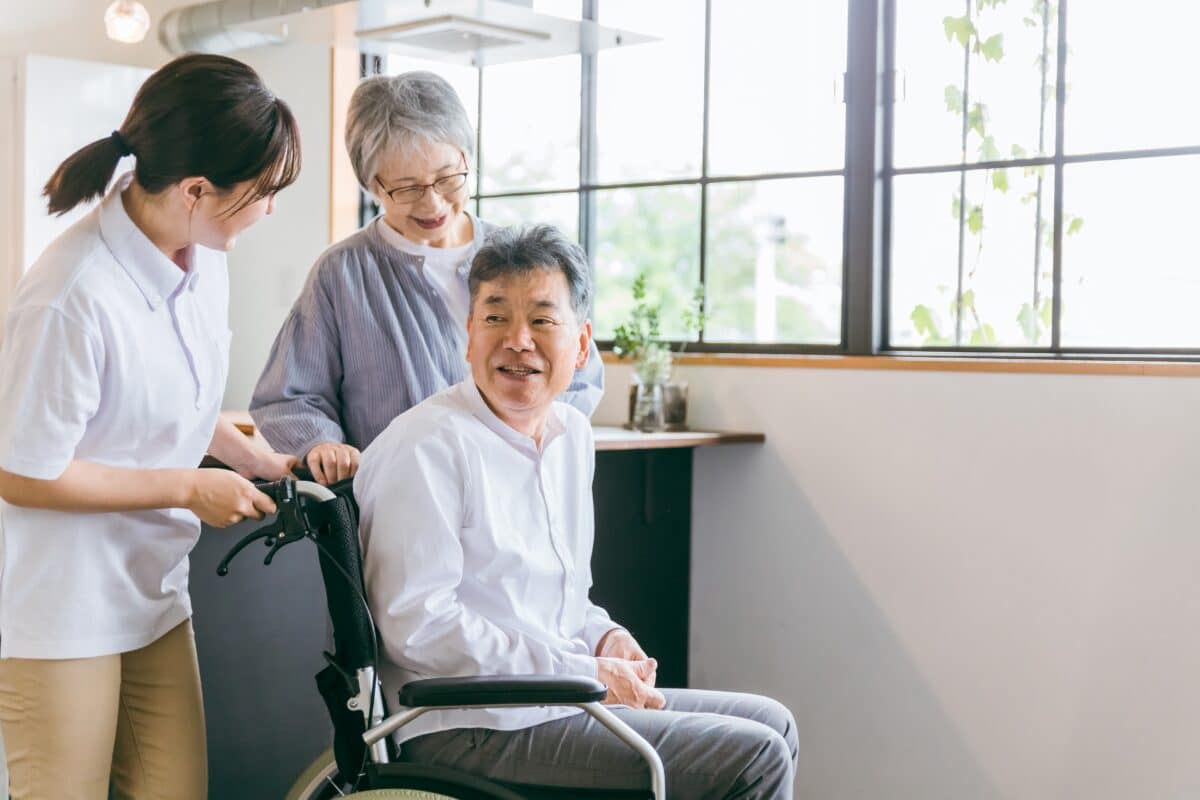
Safe Transfers: Tips for Caregivers Helping a Loved One Move Helping a loved one move from a bed to a wheelchair, from a chair to standing or between other surfaces can become a regular part of caregiving. Transfers may seem straightforward, but they can also be physically demanding and stressful for both the caregiver and the person receiving assistance. Read more
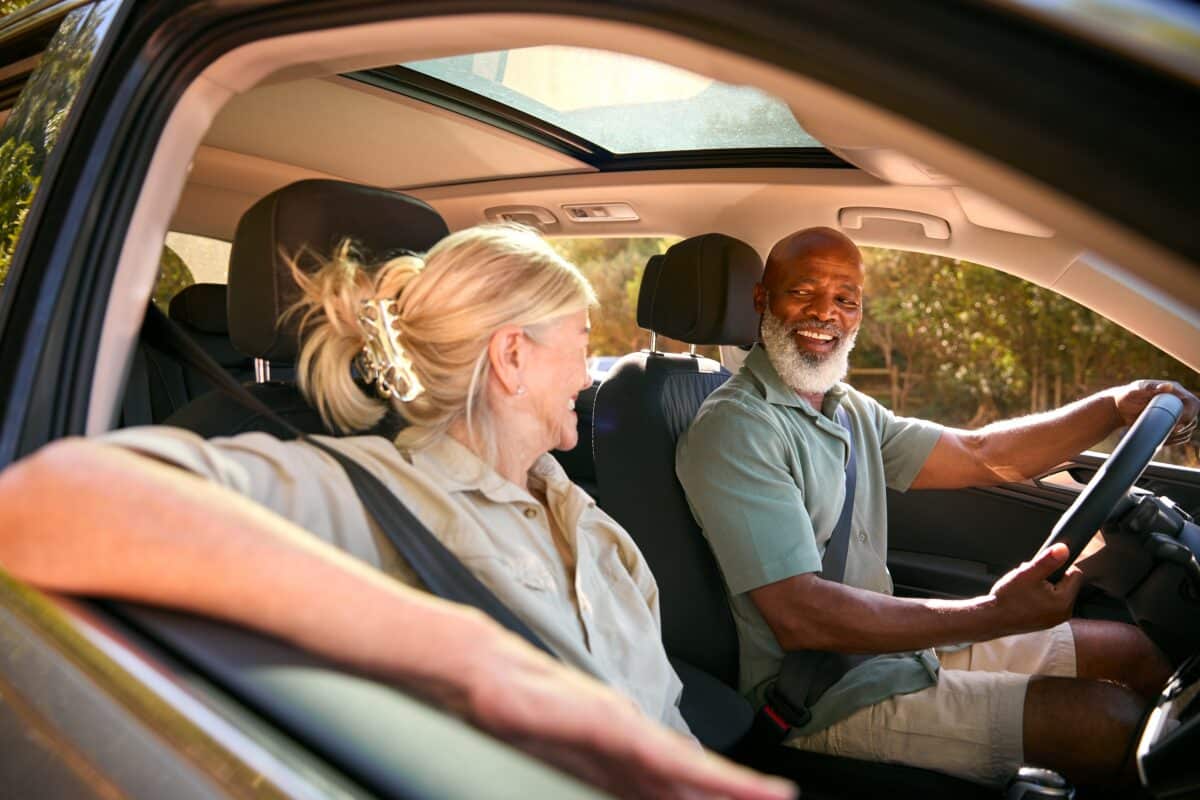
When Should a Loved One Stop Driving? How to Have the Conversation with Care and Respect For many older adults, driving represents freedom, independence and the ability to stay connected with the community. However, while some older adults can drive safely well into their later years, changes in health, vision or reaction time may eventually make driving more difficult. Deciding whether it's time for your loved one to stop driving can be one of the most emotional conversations a family has. If you're concerned about a loved one's driving, approaching the conversation with empathy and going in prepared can help make the discussion more productive. Read more
Caring for an Older Loved One in a Rural Community Caring for an older loved one can be challenging no matter where you live. For caregivers in rural communities, however, finding support can come with additional obstacles. Services may be spread across large geographic areas, transportation may be limited and there may simply be fewer programs available nearby. With many aspects of healthcare moving online, the Digital Divide is also an issue. According to The International Telecommunication Union, only about 75 percent of households in rural areas in the Americas utilize the internet, compared to 91 percent of urban households. Read more
Ask the Expert: What’s in a Fall? Join us for “What’s in a Fall,” presented by Rosalind Strickland, owner of Rosalind Strickland Interior Design and a certified Aging-in-Place Home Safety Advisor. She reveals why fall prevention is not just a safety issue, but a critical component of aging well and staying independent. Read more
Unmet Needs and Dementia Caregiving When a loved one is diagnosed with dementia, family members typically step into the role of caregiver without much preparation. What starts as helping with a few reminders or rides to appointments can quickly turn into managing medications, coordinating doctor visits, handling finances and making difficult decisions about the future. Read more
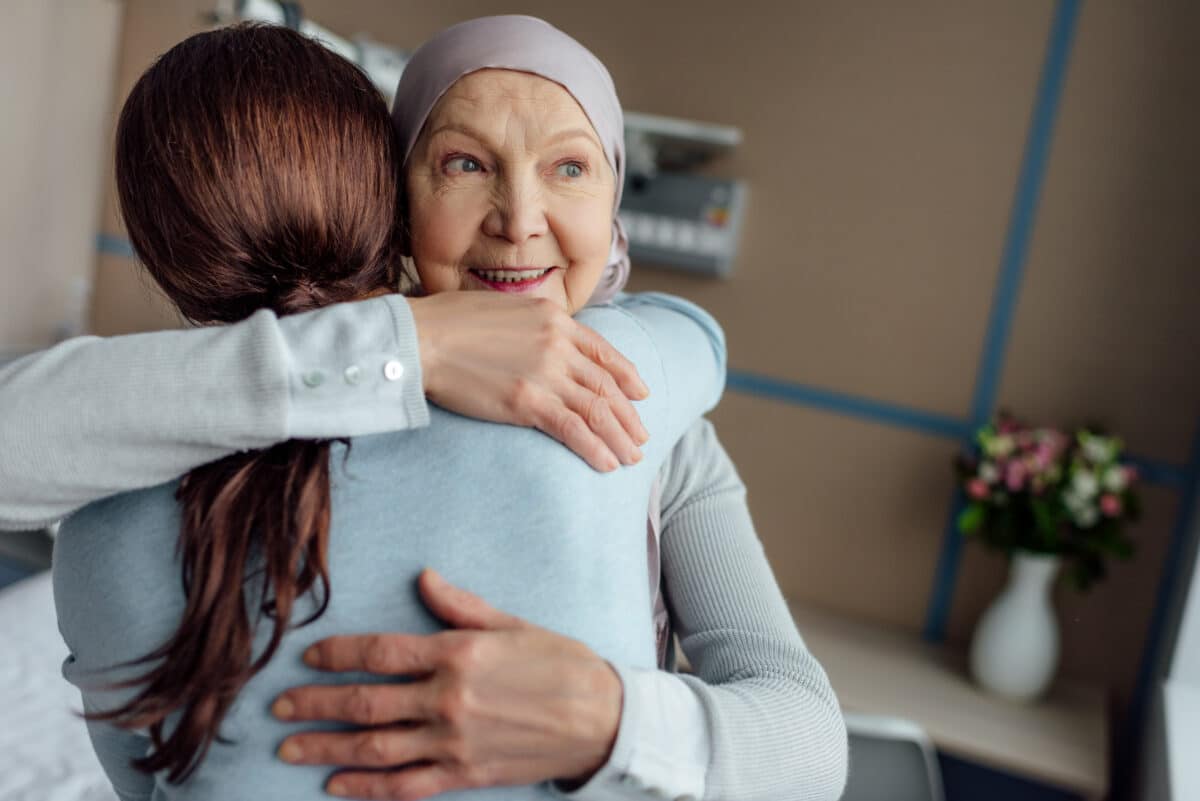
Caring for a Loved One with Cancer Hearing that a loved one has cancer can be overwhelming. In the days following a diagnosis, it is common to feel frightened, uncertain and unsure of what to do next. While every cancer journey is different, caregivers play an essential role in helping their loved one manage treatment, cope with side effects and maintain the best possible quality of life. Read more
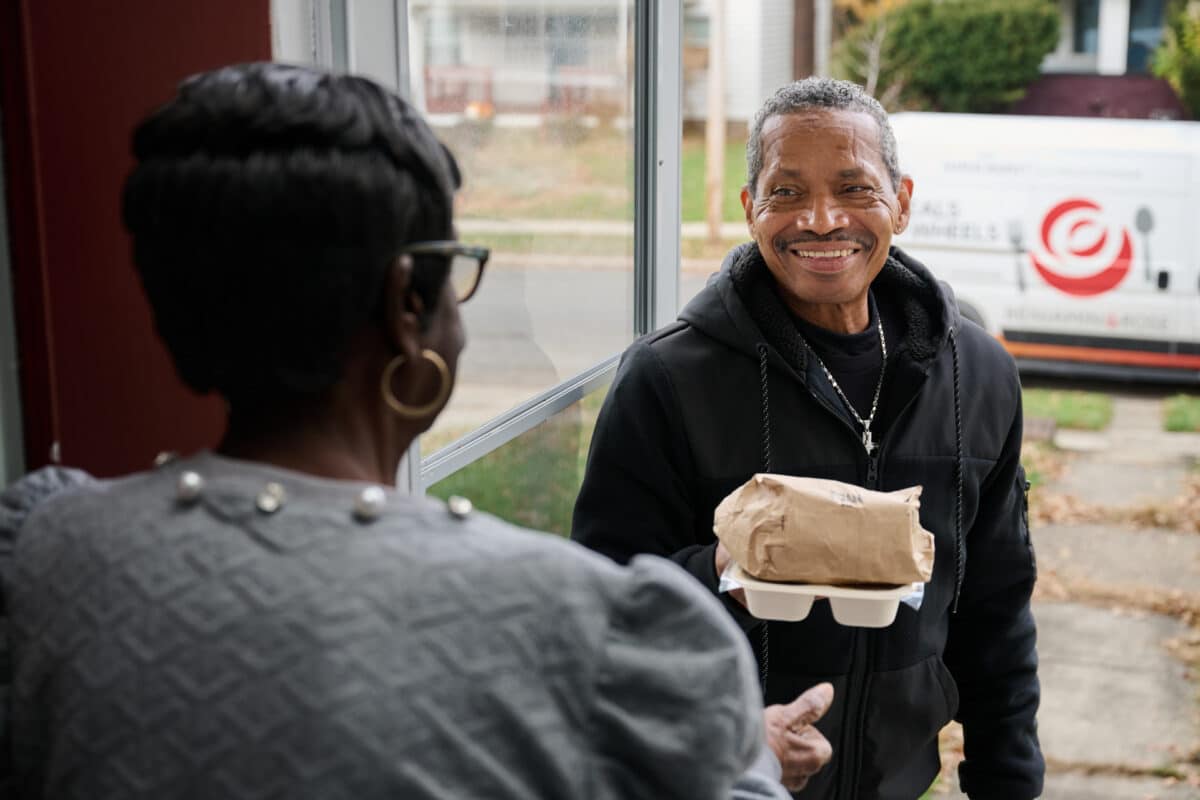
How Do I Know if Meals on Wheels Is Right for My Loved One? If you’re caring for an older adult, you may start to notice changes that make everyday tasks harder, including grocery shopping, cooking or preparing balanced meals. When this happens, families often ask the same question: Is Meals on Wheels the right solution? Read more
Ask the Expert: Live Q&A Hour for Caregivers This informal ask-and-learn session for family and friend caregivers is full of tips directly from the experts! Read more
Why Dementia Caregivers Burn Out: A Brain Science Perspective While caring for a loved one with Alzheimer’s disease or a related dementia is often described as an act of deep love, it can also be an experience of profound strain. Caregivers may find themselves exhausted, overwhelmed or emotionally frayed, sometimes snapping at the very person they are trying so hard to protect. Even when they know on an intellectual level that their loved one’s behavior is caused by a medical condition, their brains can often struggle to respond with consistent patience or calm. Read more