

Resources

Unmet Needs and Dementia Caregiving
When a loved one is diagnosed with dementia, family members typically step into the role of caregiver without much preparation. What starts as helping with a few reminders or rides to appointments can quickly turn into managing medications, coordinating doctor visits, handling finances and making difficult decisions about the future.

Articles
Protecting Your Heart, Finances and Well-Being From Romance Scams
Whether through social media, dating websites or even a simple text message from a stranger, many older adults are finding companionship online. These platforms can be a wonderful way to meet people, but they have unfortunately also become a hunting ground for criminals.
Videos
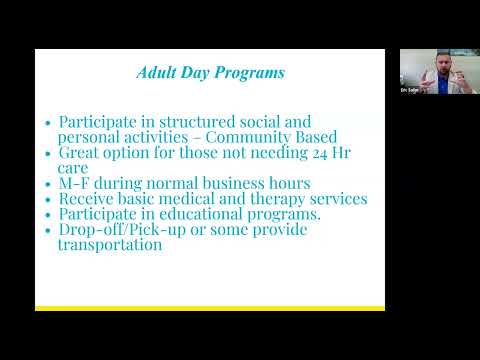
Eldercare Options and How to Prepare for Them: Creating a Realistic Plan for the Future
As you or a loved one ages, planning for future care needs is very important, but something that goes unaddressed by many families. Preparing for housing needs, financial changes and healthcare challenges can help to ease these transitions in the future.

Articles
Caring for a Loved One with Cancer
Hearing that a loved one has cancer can be overwhelming. In the days following a diagnosis, it is common to feel frightened, uncertain and unsure of what to do next. While every cancer journey is different, caregivers play an essential role in helping their loved one manage treatment, cope with side effects and maintain the best possible quality of life.

Articles
Treating Hoarding Behavior in Older Adults: A Guide for Caregivers and Family Members
Hoarding is a complex and challenging behavior that often requires specialized treatment. It’s important to understand that simply cleaning up the hoarded items will not resolve the underlying issues. Effective intervention involves a combination of emotional support, mental health care, and gradual change. For caregivers and family members of an older adult who hoards, here’s how you can approach treatment in a way that supports your loved one’s long-term well-being.
Videos
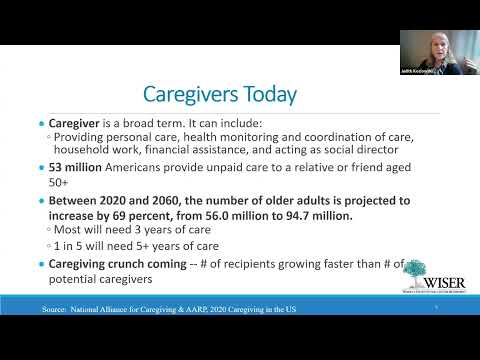
20th Annual Katz Policy Lecture – Closing the Gap
Older adults face growing financial challenges—but for women, the long-term impact of caregiving, wage gaps and workplace barriers can significantly shape economic security later in life.

Videos
Invisible Consequences: How Federal Policy Shapes Economic Security for Older Adults
The webinar explores how legislative changes—especially the Older Americans Act, the Big Beautiful Bill and Social Security adjustments—affect older adults even when they are not the intended policy targets. It also discusses how eligibility rules, documentation requirements and reporting burdens create barriers to benefits such as Medicaid, SNAP, housing and caregiver assistance. Our experts additionally examine how policy shifts influence housing stability, consumer debt (including mortgages and student loans) and caregiving supports, all of which shape real-world access to basic security. Presenters included Benjamin Rose CEO Orion Bell, independent elder justice consultant Judith Kozlowski, and Bob Blancato, the national coordinator of the Elder Justice Coalition and president of Matz, Blancato and Associates.
Videos
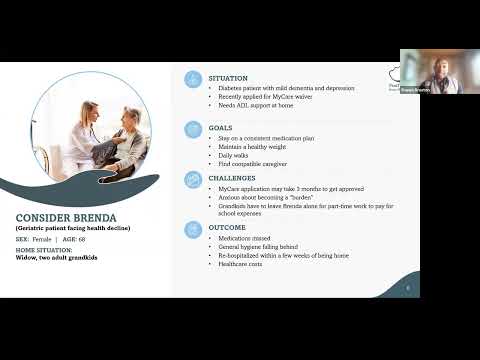
Ask The Expert- Caring for Family: A Guide to Getting Compensated as a Caregiver through Medicaid
Providing care for an older family member can be as demanding and time-consuming as a full-time job for some people. Fortunately, there are ways that family caregivers can potentially receive monthly payments for their services.

Articles
Why Financial Literacy Matters for Older Adults and Caregivers
The ability to understand and effectively manage money is important at every stage of life, but it becomes especially critical as we age. Many older adults live on fixed incomes, relying on Social Security, pensions or retirement savings. This can make it harder to absorb unexpected expenses, such as medical bills, home repairs or increased care needs. At the same time, their caregivers may be juggling their own financial responsibilities while navigating their support role. Though most people know in the back of their minds that they will one day be called upon to care for a parent, spouse, grandparent or sibling, it’s not an eventuality most think to set money aside for.